NEW YORK (AP) — Scientists have uncovered the mummified remains of cheetahs from caves in northern Saudi Arabia.
The remains range from 130 years old to over 1,800 years old. Researchers excavated seven mummies along with the bones of 54 other cheetahs from a site near the city of Arar.
Mummification prevents decay by preserving dead bodies. Egypt's mummies are the most well-known, but the process can also happen naturally in places like glacier ice, desert sands and bog sludge.
The new large cat mummies have cloudy eyes and shriveled limbs, resembling dried-out husks.
“It’s something that I’ve never seen before,” said Joan Madurell-Malapeira with the University of Florence in Italy, who was not involved with the discovery.
Researchers aren’t sure how exactly these new cats got mummified, but the caves’ dry conditions and stable temperature could have played a role, according to the new study published Thursday in the journal Communications Earth and Environment.
They also don't know why so many cheetahs were in the caves. It could have been a denning site where mothers birthed and raised their young.
Scientists have uncovered the rare mummified remains of other felines, including a saber-toothed cat cub in Russia.
It's uncommon for large mammals to be preserved to this degree. Besides being in the right environment, the carcasses also have to avoid becoming a snack for hungry scavengers like birds and hyenas.
To find such intact evidence of cheetahs that lived long ago in this part of the world is “entirely without precedent,” study author Ahmed Boug with the National Center for Wildlife in Saudi Arabia said in an email.
Cheetahs once roamed across most of Africa and parts of Asia, but now live in just 9% of their previous range and haven't been spotted across the Arabian Peninsula for decades. That’s likely due to habitat loss, unregulated hunting and lack of prey, among other factors.
In a first for naturally mummified large cats, scientists were also able to peek at the cheetahs' genes and found that the remains were most similar to modern-day cheetahs from Asia and northwest Africa. That information could help with future efforts to reintroduce the cats to places they no longer live.
___
The Associated Press Health and Science Department receives support from the Howard Hughes Medical Institute’s Department of Science Education and the Robert Wood Johnson Foundation. The AP is solely responsible for all content.
latest_posts
- 1
 Israel and Iran continue tit-for-tat attacks
 - 2Cuba fights to contain spread of mosquito-borne chikungunya virus
- 3Hezbollah sees potential win as Israel backs down from disarmament goal
- 4Hungary's 'water guardian' farmers fight back against desertification
- 5Trump administration plan to reduce access to some student loans angers nurses, health care groups





- Israel strikes Beirut amid rocket fire from Hezbollah and Iran
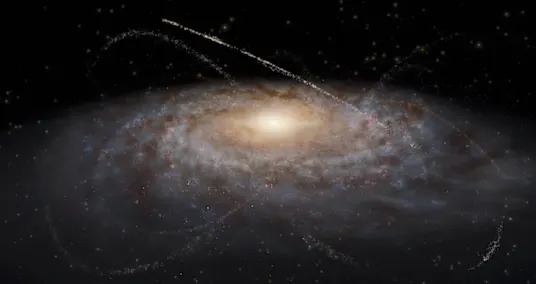
- Dozens of hidden star streams found in the outskirts of our Milky Way galaxy
- Partake in the Outside: Senior-Accommodating Exercises for 2024
- Bennu asteroid samples provide clues about solar system origins and 'space gum'
- Shredded cheese sold in dozens of states recalled due to potential for metal fragment contamination
- What to know as New York City nurses strike for a 3rd day
- The Difficulties of Getting a Green Card in the US
- Ministry: New German petrol price regulation takes effect on April 1
- Misinterpretations and Mistakes Portrayed by Hollywood in the General set of laws