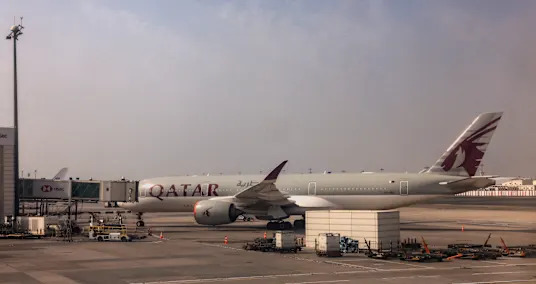
The Iran war is reshaping international aviation, with Gulf carriers forced to cancel tens of thousands of flights while rivals from Europe and Asia pick up some of the slack.
Around 1.7 million weekly seats have been removed from the region’s airline schedules so far, equal to around a third of prewar capacity, according to industry analysts OAG.
Saudi-based airlines are operating near-normal schedules, but the larger carriers in Qatar and the UAE are not. Qatar Airways is seeking lower aircraft rental payments as a way to reduce costs, Bloomberg reported. Airlines from other regions, including British Airways, Germany’s Lufthansa, and Hong Kong-based Cathay Pacific have cut back on services to the Gulf or pulled out entirely. At the same time, some have increased capacity on direct Asia-Europe routes that bypass the Gulf, although it is hard to make significant additions quickly, and at affordable prices for passengers.

latest_posts
- 1
 The Hybrid Volkswagen ID. ERA 9X Will Become the Brand’s New Flagship in China
 - 2Russian military plane crashes in annexed Crimea, killing 29 people on board
- 3Instructions to Clean and Really focus on Your Lab Precious stone
- 410 Fundamental Tips and Deceives to Lift Your Cell phone's Exhibition
- 5'We need everyone,' wounded reservist urges Knesset panel to advance haredi draft law




- RFK Jr.’s vaccine advisers plan biggest change yet to childhood schedule
- NASA Perseverance rover sees megaripples on Mars | Space photo of the day for Jan. 7, 2026.
- Aspect Biosystems receives funding for cellular medicine project
- Overlooked infertility care should be part of national health services, says WHO
- Viable Monetary Tips to Advance Your Monetary Circumstance
- Step by step instructions to Open a Lovely Waterway Voyage Insight: Conveniences, Administrations, and Elite Offers
- 10 Demonstrated Systems to Develop Your Internet based Business
- Don't fall for it: These common tourist scams in Rome are easy to avoid if you know what you're looking for
- Birutė Galdikas: The last of the ‘angels’ in primatology’s most extraordinary chapter