By Mrinalika Roy and Michael Erman
Dec 5 (Reuters) - Vaccine makers expressed concern on Friday's decision by a U.S. advisory panel to scrap its long-standing recommendation that all infants receive a hepatitis B vaccine at birth, a shift that public health experts fear will undermine decades of public health advances.
Merck, whose Recombivax HB has been a staple of the U.S. childhood immunization program, said it was "deeply concerned" by the decision of the CDC's Advisory Committee on Immunization Practices (ACIP), warning it "puts infants at unnecessary risk of chronic infection, liver cancer and even death."
The company said the universal birth dose, which was instituted in 1991, has driven a 99% drop in acute hepatitis B cases in children and young adults and argued there is no evidence that delaying it provides any benefit. Infectious disease experts, as well as organizations representing pediatricians, pharmacists and public health professionals decried the move.
Hepatitis B, which can spread from mother to child during birth, can cause severe liver disease and early death, and has no cure. According to the National Foundation for Infectious Diseases, the universal hepatitis B birth dose has prevented more than 500,000 childhood infections, cut infant cases by 95% and averted an estimated 90,100 deaths.
Many of the committee members, which were appointed by U.S. Health and Human Services Secretary Robert F. Kennedy Jr., a longtime vaccine skeptic, criticized the vaccine safety data and said that the U.S. vaccine schedule was out of step with other countries, particularly Denmark, that have low hepatitis B rates.
GSK said it stands behind the science supporting its vaccine and is awaiting the CDC's formal adoption of the recommendation to assess its impact.
Its vaccine, Engerix-B, has been approved since 1989, with 1.4 billion doses administered worldwide.
Merck and GSK shares fell about 1% each following the vote. U.S.-listed shares of Sanofi, another maker of hepatitis B shots, rose about 0.7%.
The panel now recommends only infants born to mothers who test positive for hepatitis B should receive the birth dose. Parents of infants whose mothers test negative are advised to decide, in consultation with a healthcare provider, when or whether to begin the vaccine series.
Merck urged the committee to return liaison organizations and frontline clinicians to its work groups, calling discussions led by medical and scientific experts "essential to informing sound, evidence-based recommendations that safeguard public health."
(Reporting by Mrinalika Roy in Bengaluru; Editing by Alan Barona)
latest_posts
- 1
 Lucky airplane passengers capture NASA's Artemis 2 moon launch from the sky
 - 2Disability rights activist and author Alice Wong dies at 51
- 3I served on the expert committee that advised the government on new dietary guidelines – most of our recommendations were ignored
- 4Internet goes (cocoa) nuts: The funniest reactions to 12 tonne theft of KitKat bars
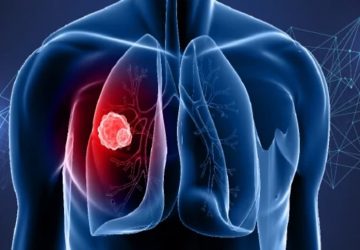
- 5The most effective method to Perceive the Early Side effects of Cellular breakdown in the lungs




- Ford Is Using a Chinese-Built Van to Fight Europe’s EV Price War
- 5 Food varieties to Remember for Your Eating regimen for Ideal Wellbeing
- Vote In favor of Your Favored Video Conferencing Administration
- These Are the Journalists Israel Has Killed Since the Start of the Iran War
- Israel violated ceasefire with Hezbollah more than 10,000 times, UNIFIL claims
- Trump declares Christmas Eve and Dec. 26 federal holidays: What does that mean?
- Gaza amputees struggle to rebuild lives as the enclave faces shortages of prosthetic limbs
- Brilliant and Gleaming: Excellence and Skincare Practices
- 7 Strange Apparatuses to Make Your Party Stick Out!