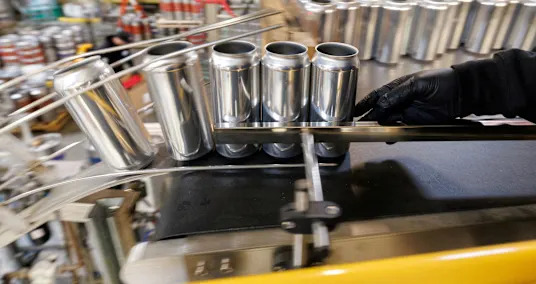
The Gulf’s 3.5 million tonnes of aluminum output is at risk because of the Iran war, and could trigger a global supply crisis according to analysts Wood Mackenzie.
Emirates Global Aluminium has halted operations in Abu Dhabi, after its Al Taweelah site sustained “significant damage” during an Iranian attack on March 28. That takes 1.6 million tonnes a year of production offline and it could take a year to repair. Aluminium Bahrain (Alba)’s facility was also hit by Iran on March 28 and its 1.6 million-tonne-a-year plant may now be working at just 30% of capacity. Qatar’s Qatalum is operating at around 60% capacity.
The Gulf accounts for around 23% of global, non-China aluminum production. Most Gulf output is sold overseas and the regional crisis is having a knock-on effect globally. Aluminum is in high demand from fast-growing industries such as electric vehicles, solar panels, wind turbines, and data centres. Prices are now at their highest level in four years.
latest_posts
- 1
 Building an Individual Brand: Illustrations from Forces to be reckoned with
 - 2'War is not over': Detailed diagrams of prisons found in cells of Oct. 7 terrorists
- 3Obamacare enrollment declines as US subsidies expire
- 4Exclusive-Drugmakers raise US prices on 350 medicines despite pressure from Trump
- 5The most effective method to Redesign the Sound Framework in Your Smash 1500.


- Miley Cyrus details her fear of paper, says fiancé Maxx Morando opens their packages outside: 'That's really why I got engaged'
- Get Cooking: 15 Speedy and Heavenly Recipes for Occupied Individuals
- Manual for Tracking down the Immaculate Magnificence of Focal Asia
- Who was Haytham Ali Tabatabai, Hezbollah's military leader killed by Israel?
- Figure out How to Use the Experience of a Fender bender Legal counselor for Your Potential benefit
- Wellness Bits of knowledge Readily available: A Survey of \Following Wellbeing and Progress\ Wellness Wearables
- The best movies to watch this holiday season: Stream 'A Christmas Story Christmas,' revisit 'The Night Before' and discover 'The Baltimorons'
- Investigating Cooking and Culinary Expressions: An Excursion Through Flavors
- Steven Spielberg's 'Disclosure Day' trailer drops: What we know about the alien movie


